
Indian Sword Forging: The Lost Art Behind Legendary Blades
Explore the history and craftsmanship of Indian sword forging, from Wootz steel to legendary blades like the Talwar, Urumi, and Katar.
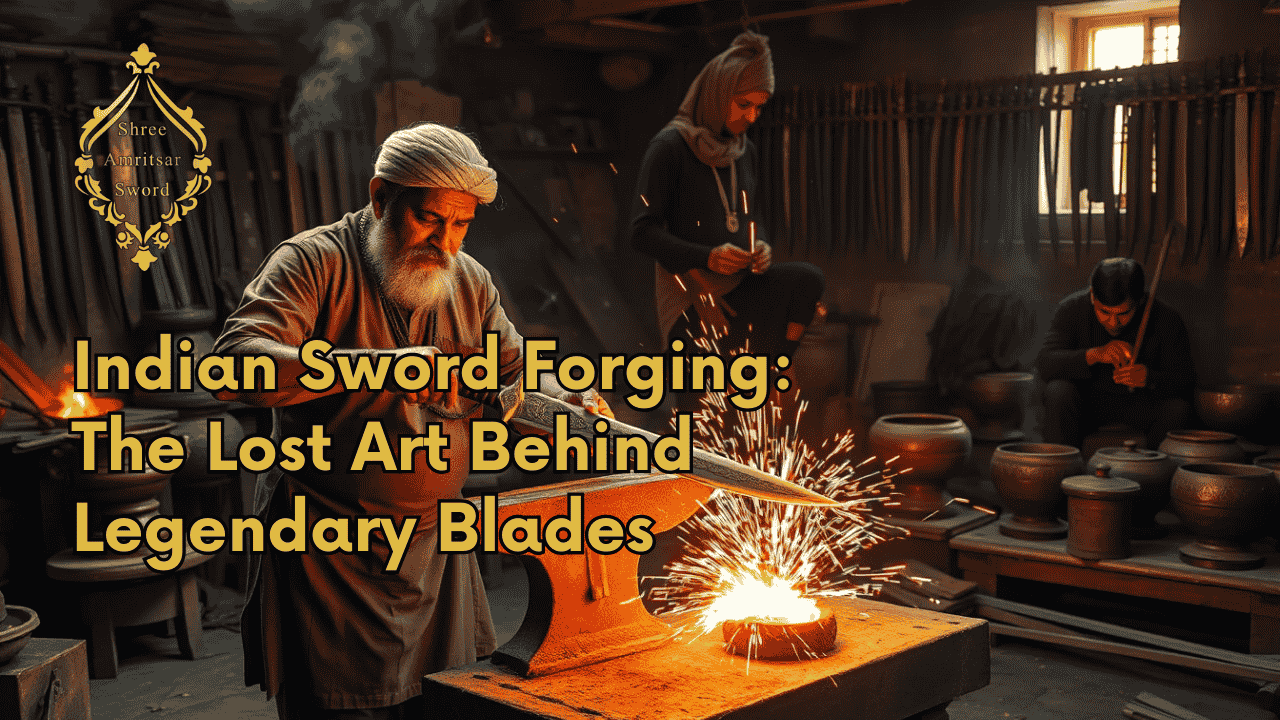
Introduction: The Legacy of Indian Steel
For centuries, India has been renowned for its advanced metallurgy and exceptional sword-making techniques. Indian blacksmiths crafted some of the finest blades in history, using high-quality steel that was sought after by warriors, kings, and even foreign empires. Among these, Wootz steel stood out as a revolutionary material, forming the foundation of legendary Indian swords such as the Talwar, Urumi, and Katar. However, as modern industrialization replaced traditional craftsmanship, this once-thriving art began to fade into obscurity.
At Shree Amritsar Sword, we honor this legacy by crafting high-quality traditional Indian swords, keeping the heritage of Indian sword-making alive for collectors, enthusiasts, and martial artists worldwide.
The Materials: Wootz Steel and Beyond
Wootz Steel: The Secret Behind Indian Blades
One of the greatest contributions of Indian metallurgy to the world was Wootz steel, an advanced form of crucible steel known for its extreme sharpness, durability, and unique pattern. It is believed that Wootz steel originated in South India around 300 BCE and was exported to Persia, the Middle East, and even Europe, influencing the famed Damascus steel swords.
Other Materials Used in Indian Sword Forging
Indian blacksmiths also used carbon steel alloys with varying hardness levels, depending on the purpose of the blade. Some blades were made with layered or pattern-welded steel to enhance their strength and flexibility, a technique still admired in modern-day metallurgy.
The Forging Process: Techniques and Traditions
- **Smelting and Refining:** The steel was melted in crucibles to remove impurities, ensuring a high-quality metal base.

- **Hammering and Shaping:** The heated steel was repeatedly hammered into shape, often folded multiple times to improve durability.

- **Heat Treatment and Tempering:** The blade was heated to a precise temperature and then quenched in oil or water to achieve the desired hardness.

- **Sharpening and Polishing:** The final stage involved grinding, sharpening, and polishing the blade to achieve its razor-sharp edge.
Regional Variations in Sword Forging
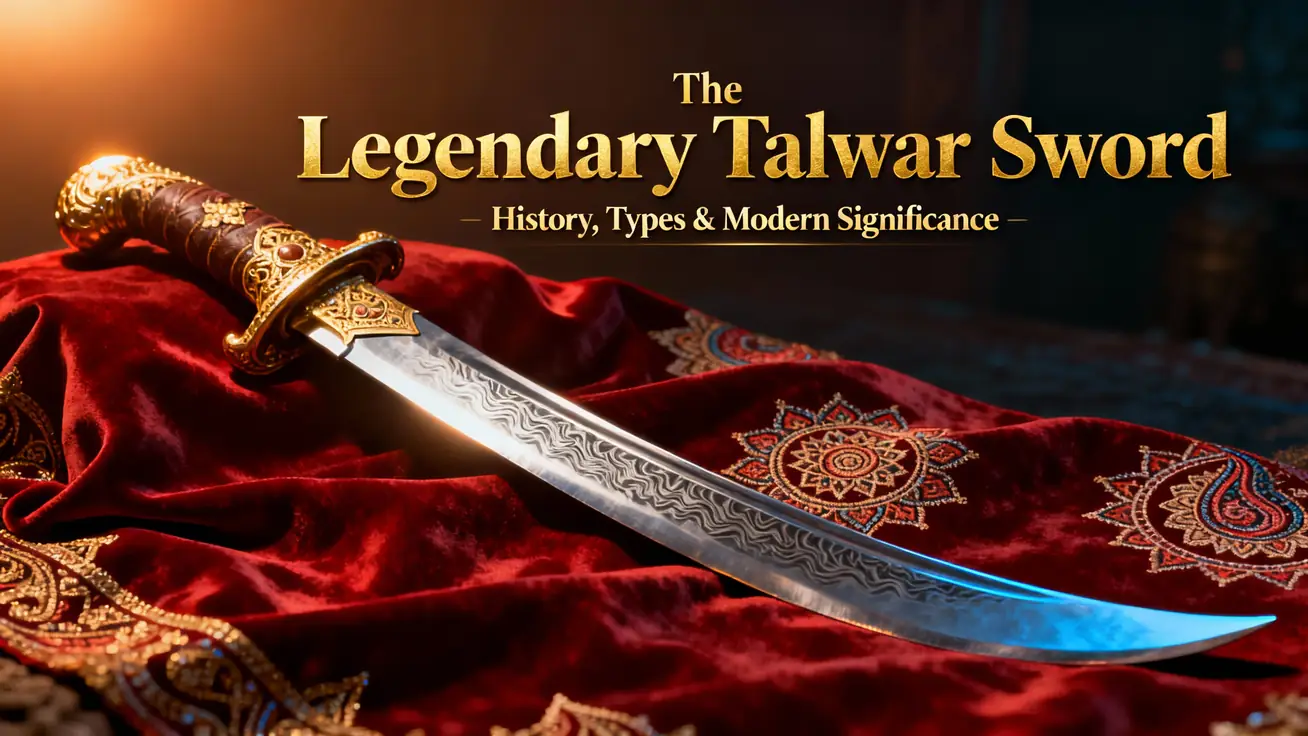
- **Rajasthan and North India:** Known for the iconic Talwar, Rajput warriors preferred curved, **[single-edged swords](https://shreeamritsarsword.com/product-category/sword/)** optimized for swift cavalry strikes.

- **Deccan and South India:** The Wootz steel forging techniques flourished here, leading to the creation of exceptionally strong and sharp blades.

- **Kerala:** The unique Urumi, a flexible whip sword, was a hallmark of the region’s martial traditions.

- **Maharashtra:** The Pata, a [gauntlet sword](https://shreeamritsarsword.com/product/dand-patta/) favored by the Marathas, was designed for both offense and defense in battle.
Legendary Blades: Examples and Stories
| Sword Name | Region of Origin | Unique Features |
|---|---|---|
| Talwar | North India, Rajasthan | Curved blade, strong cutting edge |
| Urumi | Kerala | Flexible, whip-like blade |
| Katar | Pan-India | Punch dagger, used in close combat |
| Pata | Maharashtra | Gauntlet sword, used in cavalry warfare |
| Firangi | Deccan, Mughal India | European blade with Indian hilt |
Modern-Day Uses and Preservation Efforts
- **Martial arts training:** Kalaripayattu practitioners continue to train with the Urumi and other weapons.

- **Collectors and enthusiasts:** Historical sword collectors seek authentic reproductions crafted by expert artisans.

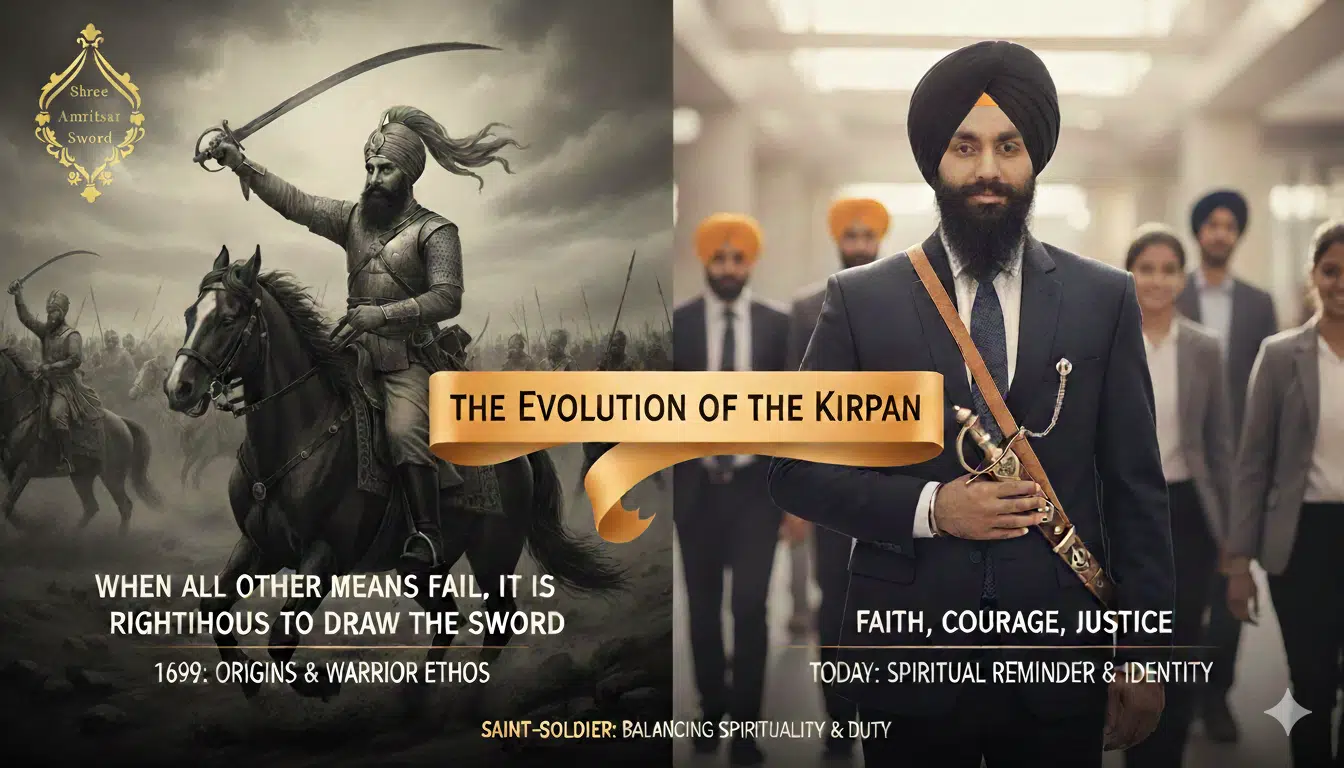
- **Ceremonial and religious purposes:** Swords like the Talwar and Katar are still used in religious rituals and Sikh traditions.

- **Films and historical reenactments:** Period films and reenactments showcase these weapons, keeping their legacy alive.
At Shree Amritsar Sword, we specialize in preserving this heritage by crafting historically accurate swords for martial artists, collectors, and enthusiasts worldwide.
Conclusion: The Enduring Spirit of Indian Craftsmanship
The art of Indian sword forging stands as a testament to the country’s rich history, innovation, and craftsmanship. While the golden age of sword-making may have passed, the legacy of legendary Indian blades continues to inspire historians, martial artists, and blacksmiths worldwide.
At Shree Amritsar Sword, we are committed to keeping this tradition alive by offering authentic, handcrafted Indian swords, ensuring that this historical craft continues to thrive in the modern era.
Further Reading & Resources
- **[Indian Arms and Armour by G.N. Pant](https://indianculture.gov.in/ebooks/indian-arms-and-armour-vol-i)**

- ***[National Geographic Documentary on Wootz Steel](https://www.nationalgeographic.com/science/article/carbon-nanotechnology-in-an-17th-century-damascus-sword)***

- ***[The National Museum, New Delhi – Arms & Armour Collection](https://www.nationalmuseumindia.gov.in/en/collections/index/9)***
If you enjoyed reading about Indian sword forging, explore our collection at Shree Amritsar Sword and own a piece of history!
METALLURGY TAGS
Related Journal Entries
View All Articles
Commission a Battle-Ready Blade
Explore our master catalogue of hand-forged Japanese Katanas, European Longswords, and 512-layer Damascus blades.